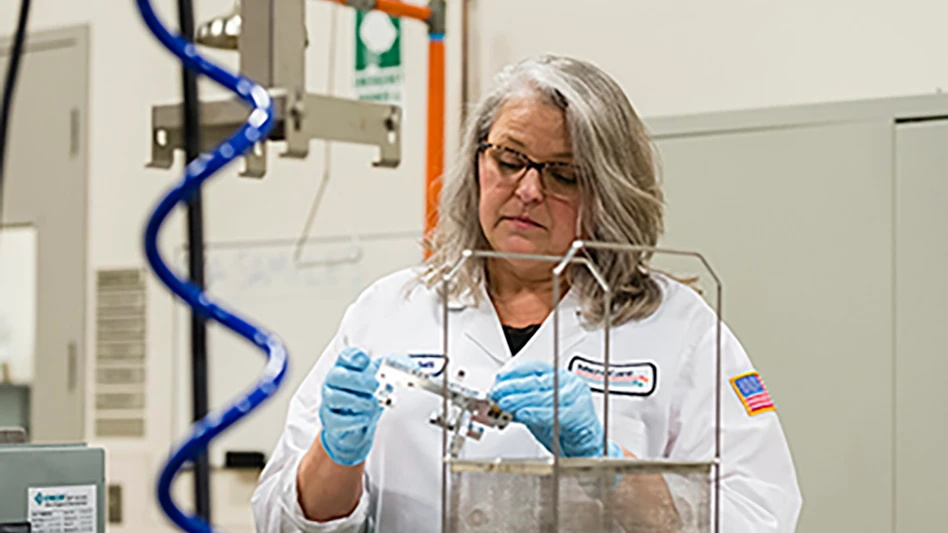
CREDIT: MICROCARE
In 2026, medical device manufacturers are operating within a significantly altered precision-cleaning environment. Long-standing regulatory pressure on traditional cleaning fluids, combined with the withdrawal of several widely used specialty chemistries, has accelerated the need for change. Cleaning processes that were once stable, familiar, and fully validated are now being reassessed, often while production volumes, audit expectations, and cost pressures stay unchanged.
For the medical sector, where cleaning effectiveness directly influences device performance, patient safety, and regulatory compliance, this transition goes far beyond replacing one fluid with another. Precision cleaning underpins downstream manufacturing steps such as coating, bonding, sterilization, and packaging. Any disruption, whether through inconsistent cleanliness, material incompatibility, or incomplete validation, can introduce risks that extend well beyond the cleaning stage itself.
Regulatory change meets manufacturing reality
Precision cleaning plays a critical role across the medical device lifecycle, from electronic assemblies used in diagnostic, monitoring, and therapeutic equipment to precision-machined and formed components used in implants and surgical instruments. Common contaminants include machining and forming oils, flux residues from electronic assembly, silicone release agents, fine particulates, and handling residues introduced during manufacturing. If not fully removed, these contaminants can interfere with coating adhesion, compromise sterilization effectiveness, or raise concerns around biocompatibility and long-term device reliability.
Historically, manufacturers relied on aggressive chemistries such as trichloroethylene (TCE), perchloroethylene (Perc), and n-propyl bromide (nPB). They were valued for their strong solvency, rapid drying, and predictable performance across a wide range of contamination types. However, extensive scientific evidence has linked these substances to carcinogenic, neurological, and environmental harm, resulting in increasing regulatory scrutiny and restriction.

In the United States, Environmental Protection Agency initiatives and state-level air-quality regulations continue to tighten controls on certain cleaning chemistries. Across Europe and the UK, TCE and nPB are classified as Substances of Very High Concern under REACH and UK REACH, while Canadian chemical management frameworks are also increasing scrutiny of industrial solvent use in medical manufacturing environments.
At the same time, growing regulatory and public attention on per- and polyfluoroalkyl substances (PFAS) has further influenced the precision-cleaning landscape. Some specialty chemistries historically used in high-reliability applications fall within this category, raising concerns around long-term availability, regulatory exposure, and alignment with evolving sustainability expectations. For medical device manufacturers, this has reinforced the need to future-proof cleaning processes by considering not only current compliance but also the direction of emerging environmental policy.
These regulatory changes introduce added complexity for global manufacturers. Cleaning processes must satisfy multiple jurisdictions simultaneously while staying robust enough to withstand audits, product updates, and increasing device miniaturization. At the same time, manufacturers face growing expectations around worker safety, environmental responsibility, and supply-chain resilience.
Applying a structured approach to cleaning
As manufacturers move away from restricted cleaning fluids, many are reevaluating vapor degreasing as a core precision-cleaning approach. This shift is supported by modern fluids engineered to maintain cleaning performance while following current health, safety, and environmental requirements. Advances in chemistry and equipment design have enabled vapor degreasing processes that deliver consistent, repeatable results within controlled, closed-loop systems – an important consideration in regulated and audited medical manufacturing environments.
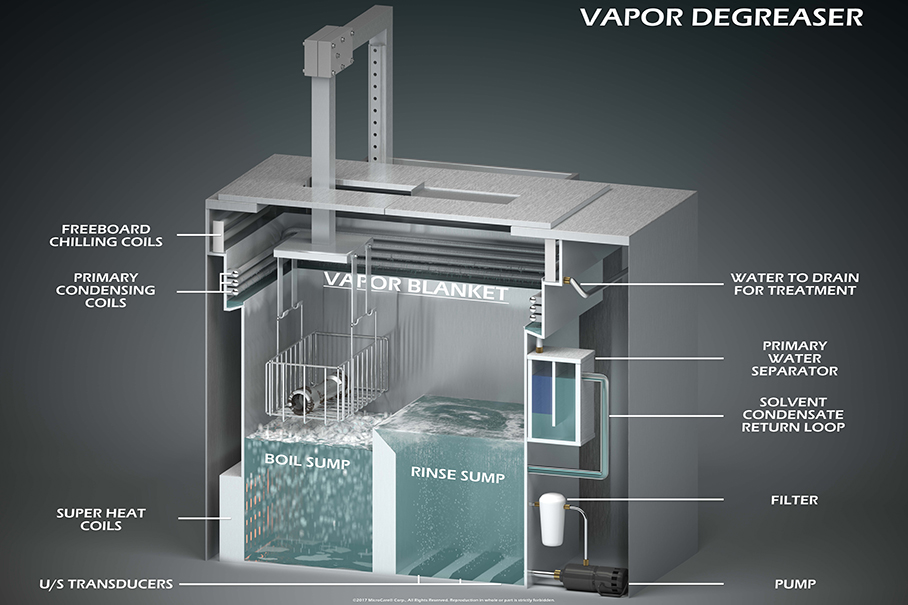
Effective vapor degreasing, however, depends on careful planning. Cleaning performance is influenced not only by fluid choice but by a detailed understanding of contamination types, material compatibility, and part geometry. Variations in contamination load or composition can influence cleaning behavior and may require adjustments to cycle parameters or overall process configuration.
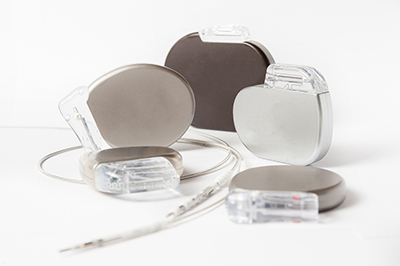
Material compatibility is particularly critical in medical applications. Devices often combine metals, plastics, elastomers, ceramics, and adhesives, many of which respond differently to cleaning fluids. Even when a fluid removes contamination effectively, it must not cause surface degradation, swelling, stress cracking, or residue deposition that could interfere with downstream processing or biocompatibility testing.
Part geometry further shapes the cleaning strategy. While simple components with accessible surfaces are relatively straightforward to clean, medical devices increasingly incorporate fine-pitch electronics, blind holes, internal channels, narrow gaps, and intricate machined features. Low surface-tension fluids are essential for penetrating these geometries and ensuring consistent cleaning results.
The value of partnering with a trusted fluids supplier
Given this complexity, many manufacturers are recognizing that successful cleaning fluid transition depends not only on fluid performance but on working closely with a knowledgeable and reliable cleaning-fluid supplier. A trusted supplier brings more than chemistry; they provide application expertise, material-compatibility insight, and regulatory awareness that help reduce risk during process change.
Experienced suppliers support manufacturers through contamination analysis, fluid selection, and lab-scale testing to confirm cleaning effectiveness and material compatibility before changes are implemented on the production floor. This collaborative approach helps find potential issues early, reducing costly trial-and-error and minimizing disruption to validated processes.
Trusted suppliers also play a key role in validation support, helping with documentation, test data, and process recommendations aligned with medical regulatory expectations. As regulations evolve, suppliers with a long-term commitment to compliance and product stewardship can help manufacturers anticipate future restrictions and avoid repeated process changes.
Equally important is supply-chain reliability. Partnering with an established supplier helps ensure continuity of fluid availability, technical support, and lifecycle management – critical considerations in long-lived medical device programs.
Validation, control, and long-term performance
In regulated medical manufacturing, any change to a cleaning process requires structured validation. Manufacturers must prove alternative cleaning approaches consistently achieve defined cleanliness levels without introducing new risks to product quality or patient safety. This typically involves laboratory testing, pilot trials under production conditions, and detailed updates to process documentation.
While there is a common assumption that changing cleaning fluids requires new capital investment, many modern vapor-degreasing fluids can be implemented in existing systems. However, operating parameters such as vapor temperature, cycle duration, safety protocols, and monitoring practices must be reviewed to ensure ongoing compliance and control.
Operator training stays an essential factor. Revised procedures must be clearly communicated so operators, engineers, and quality teams understand loading techniques, cycle selection, routine checks, and fluid maintenance.
Beyond regulatory compliance, modern vapor degreasing processes can deliver operational benefits including faster drying, improved throughput, and reduced rework. Over time, longer fluid life, low emissions, and minimal solvent loss can contribute to lower total cost of ownership.
Regulatory restrictions on precision-cleaning fluids will continue to tighten. Medical manufacturers that approach this transition as a structured, collaborative process – supported by trusted fluid partners – will be better positioned to support compliance, protect product quality, and adapt as requirements evolve.
About the author: Elizabeth Norwood is a senior chemist at MicroCare, LLC, which offers precision cleaning solutions. She has been in the industry for more than 25 years and holds a BS in Chemistry from the University of St. Joseph. Norwood researches, develops, and tests cleaning-related products. She currently has one patent issued and two pending for her work.
Latest from Today's Medical Developments
- FAULHABER introduces low-noise gearheads
- Resonetics to acquire medical device design, manufacturing solutions provider Resolution Medical
- Speed increasers to boost machine productivity
- Partnership to promote electron beam sterilization of medical devices
- How do defense industry trends affect your business?
- Guill Tool expands lab capabilities for extrusion market
- Stay ahead of the workholding technology curve
- Stryker announces limited release of handheld robotic system for knee surgery