5G technology in manufacturing environments:
Enables AI-powered evaluation of large datasets
Improves factory safety through systems of sensors and alerts
Enhances employee training with augmented and virtual reality applications
Allows real-time production monitoring and equipment maintenance predictions
Facilitates automation and digitalization of equipment
Examples of 5G-powered manufacturing technologies include
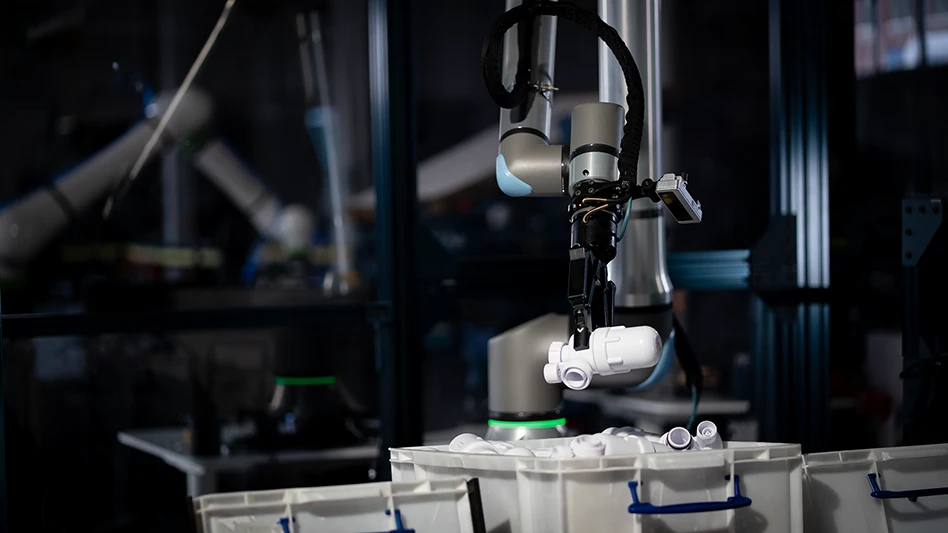
automated guided vehicles (AGVs)moving on designated paths and autonomous mobile robots (AMRs) reacting to their environments to transport materials and equipment around factory floors
A few facts about 5G:
Ericsson’s Smart Factory has seen output per employee increase 120% due to 5G-powered automation and efficiency improvements.
Samsung’s 5G Innovation Zone in Austin, Texas was developed with AT&T to test 5G-enabled manufacturing technologies including automated material handling, health and environmental sensors, and mixed-reality training.
According to ABI Research and the Digital Manufacturing and Cybersecurity Institute, U.S. manufacturers reported security improvements as the number one reason they’re setting up private 5G networks.
Manufacturing and wireless industry leaders are working together to connect every element of the factory floor and develop a robust 5G strategy for a smart manufacturing future.
Access the full report: https://www.ctia.org/news/how-5g-is-modernizing-manufacturing
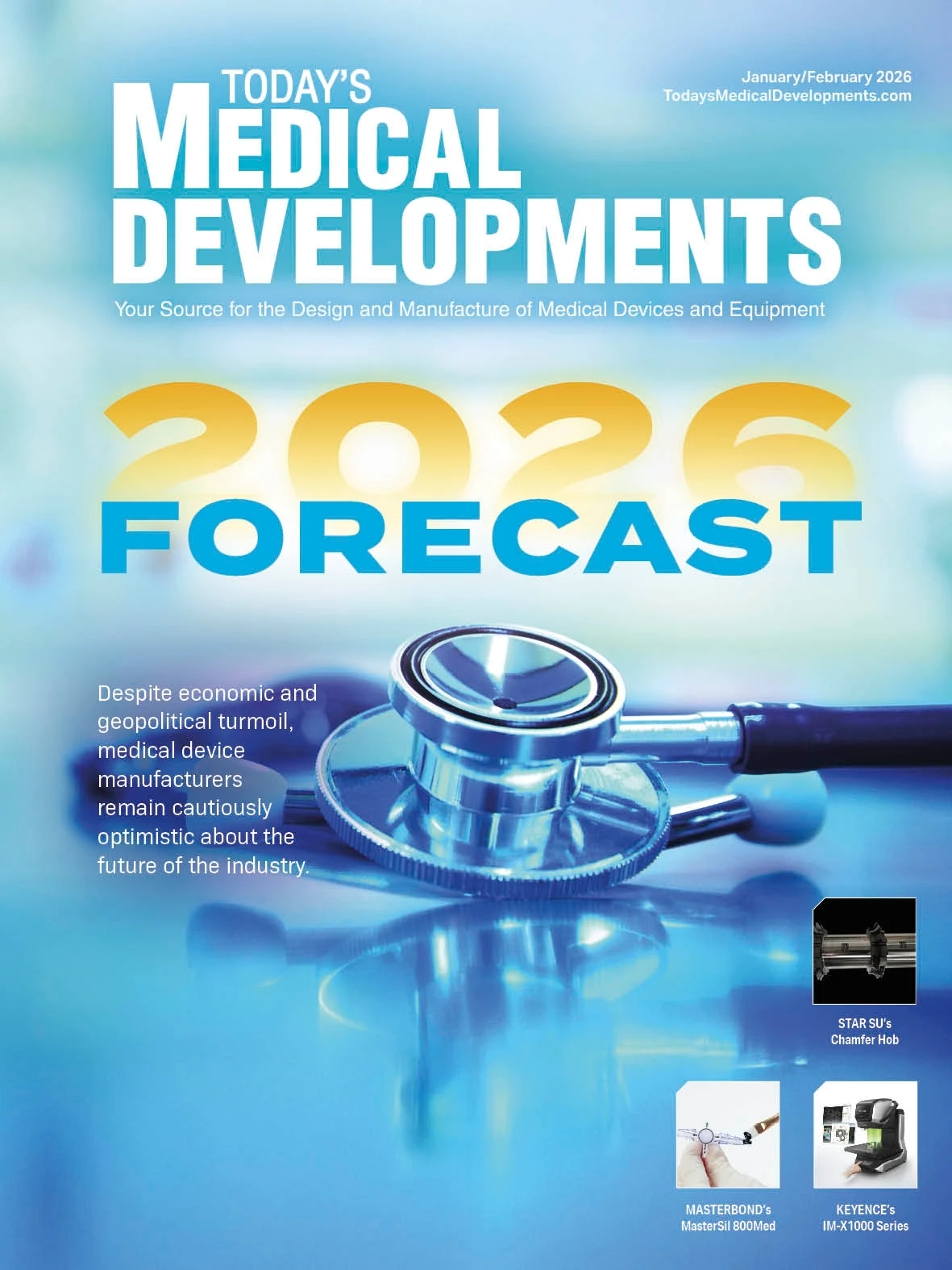
Explore the January/February 2026 Issue
Check out more from this issue and find your next story to read.
Latest from Today's Medical Developments
- SINTX hits clinical milestone with foot & ankle reconstruction device
- What’s ahead for the aerospace industry this year
- Lightweight, portable exoskeleton helps stroke survivors walk
- Accelerate your shop floor with smart automation strategies
- Case study: Precision in confined spaces
- The importance of a fully integrated value chain
- Renishaw highlights high-productivity metal AM solutions
- Trice Medical launches platform for minimally invasive tendon treatment