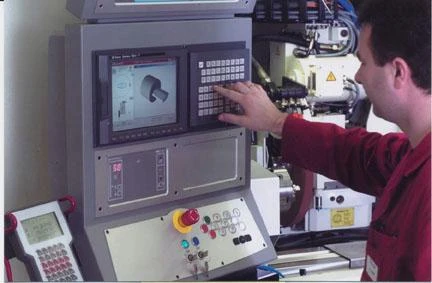
Thanks to the StuderGrind programming system, medical and dental shops respond to request for quotes (RFQs) with confidence they can actually make parts involved, meet all RFQ requirements, and profit on the job. It also alerts these shops to those jobs they shouldn't quote and gives reasons why.
With the system, shops use customersupplied data, such as DXF files, to make graphic representations of grinding machines and necessary tooling. The system's database includes important types of wheel dressers and complete details of common grinding wheels for a variety of applications and materials.
After tooling, grinding wheels move "virtually" to their working positions. Operators then mark out working areas to ensure wheels reach them and to establish dresser positions. Upon project feasibility, operators calculate processing time through a functioning grind program created from the manufacturer's
Pictogramming technology. After data applicable to material type and hardness, grinding wheel properties, machine speeds, and other factors is entered, the system displays total processing time, including down, feed, and dressing times.
Operators then download data and drawings to a PC workstation connected to a grinder. They enter grinding wheels and dressers, and the machine is ready to run.
United Grinding Technologies
Miamisburg, Ohio
grinding.com
Circle 56

Explore the May 2005 Issue
Check out more from this issue and find your next story to read.
Latest from Today's Medical Developments
- NextDent 300 MultiJet printer delivers a “Coming of Age for Digital Dentistry” at Evolution Dental Solutions
- Get recognized for bringing manufacturing back to North America
- Adaptive Coolant Flow improves energy efficiency
- VOLTAS opens coworking space for medical device manufacturers
- MEMS accelerometer for medical implants, wearables
- The compact, complex capabilities of photochemical etching
- Moticont introduces compact, linear voice coil motor
- Manufacturing technology orders reach record high in December 2025