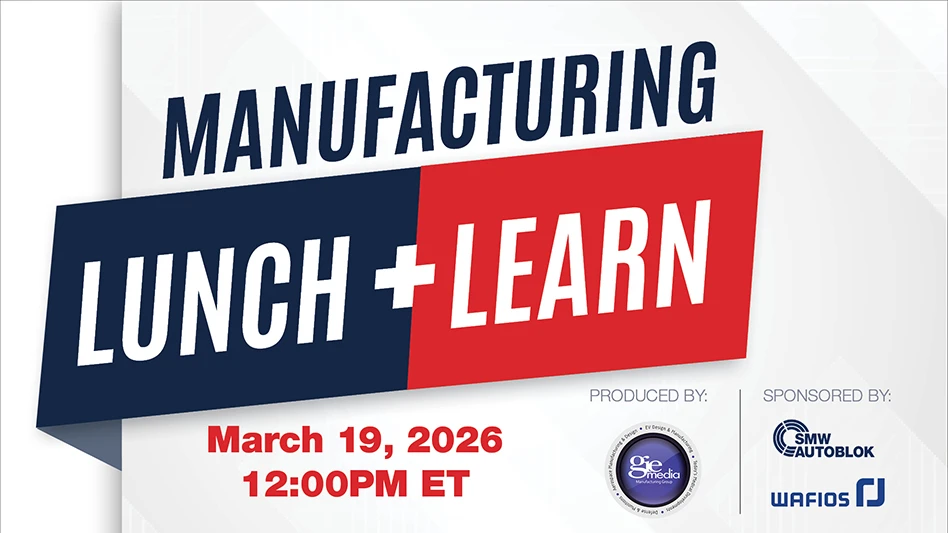
Chicago, Illinois - Emerging technologies are changing the way we approach manufacturing, particularly in machining. By utilizing sensor systems integrated into milling tool holders we can now see what is happening when the tool meets material in incredible detail. The data collected from this technology can now drive a new form of fact-based improvement decisions for process diagnosis and stability, cut and tooling optimizations, product consistency, and fluid and tooling choices.
How to apply this technology is a huge concern in the modern market. In many corporations, machinists and engineers understand the potential for data-based decision making, but get frustrated or confused by the sheer volume, format, and manipulation required of data they receive. Measurement of machining forces near the metal cut point and easy to use software for manipulating the raw data are essential for more user-friendly information. This approach allows for easy interpretation of force values allowing users to adjust machining settings, pick appropriate tooling and fluids, and create a consistent process across shifts and machines. The result… A better bottom line.
Intelligent diagnosis of machining problems on a machine is an art form, and one that can lead to significant savings in time and labor. Understanding how sensors on the tool holders can aid in reducing reactive down-time by revealing root-causes of failures is one of the first things smart users should be able to accomplish.
Using sensory systems to guide purchasing decisions for tooling and raw materials can help to streamline overall purchase costs. Certainly, cheaper materials and tools look good from a cost savings perspective, but are the initial savings really saving you money in the end? Knowing where to look to determine answers for these questions is critical in the modern market.
Optimized processes make everyone happy. Companies can expect peak Overall Equipment Effectiveness (OEE), predictive and consistent tool wear, excellent use of programming and human resources, and minimal scrap. Understanding how sensors can help optimize even the most cleverly designed processes allow us to become even more profitable with our best money-making jobs in the shop.
About the speakers
Hubertus von Zastrow, President, pro micron
Jon Boring joined pro micron as product manager for North America in 2014, where he leads data analysis and technical education. He is also intimately involved in product development. From 2006 to 2013, he worked with KimRay Inc. in Oklahoma City. His practical machining expertise centers on round-tool applications. The last post he held at KimRay was as third shift manufacturing supervisor where he focused on process development, employee education, quality control, and LEAN production initiatives. From there, he took a position with Micro Metals Inc. in Colorado Springs as their lead API machinist. While at Micro Metals, he spearheaded various initiatives throughout the machine shop focusing on reducing error rates and costs throughout the company, while designing new processes to compete and win contracts in new market segments.
Latest from Today's Medical Developments
- NextDent 300 MultiJet printer delivers a “Coming of Age for Digital Dentistry” at Evolution Dental Solutions
- Get recognized for bringing manufacturing back to North America
- Adaptive Coolant Flow improves energy efficiency
- VOLTAS opens coworking space for medical device manufacturers
- MEMS accelerometer for medical implants, wearables
- The compact, complex capabilities of photochemical etching
- Moticont introduces compact, linear voice coil motor
- Manufacturing technology orders reach record high in December 2025