CREDIT: OVYL
Developing, manufacturing, and marketing a new product brings challenges at every stage, but the most daunting may be the very beginning: how do you turn an idea into reality? The good news is it’s rarely a solo effort. The challenge lies in finding the right partners to make it happen.
Mitch Meiss founded Ovyl, a product development studio in Nashville, Tennessee, in 2016 with a small team consisting of himself, a mechanical engineer, and an industrial designer. Meiss recognized a product development gap in the central United States, where most comparable firms were concentrated on the East and West Coasts. Trained as an electrical engineer with experience ranging from microelectronics to high power systems, he saw companies in this region lacked access to the full spectrum of physical product development services.
The early years were focused on building trust and visibility. By consistently delivering results, leveraging connections, and staying committed to its values, the young company began to attract both clients and talent
“From the beginning, I built this company around doing top-quality work with authenticity and integrity,” says CEO Meiss. “We’re upfront about our pricing and process, and that transparency has been key to earning trust and fueling our growth.”
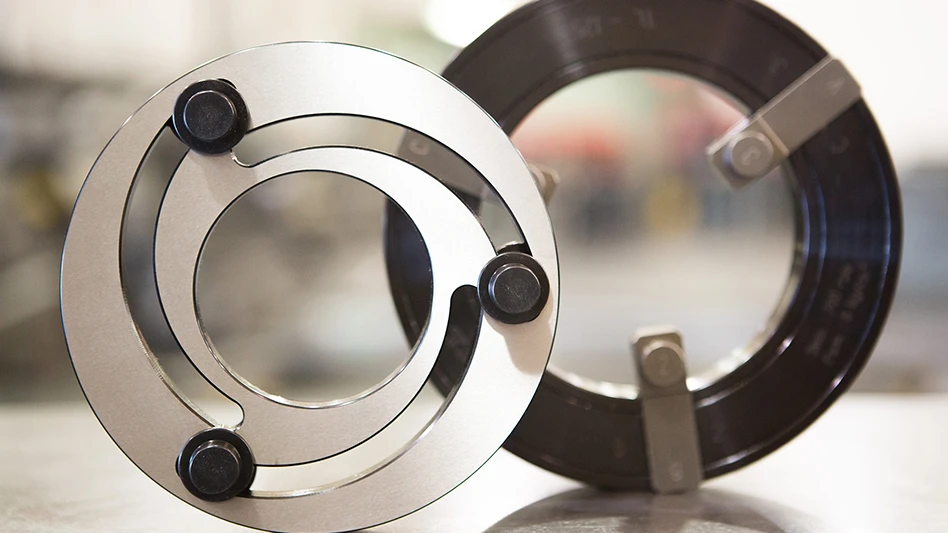
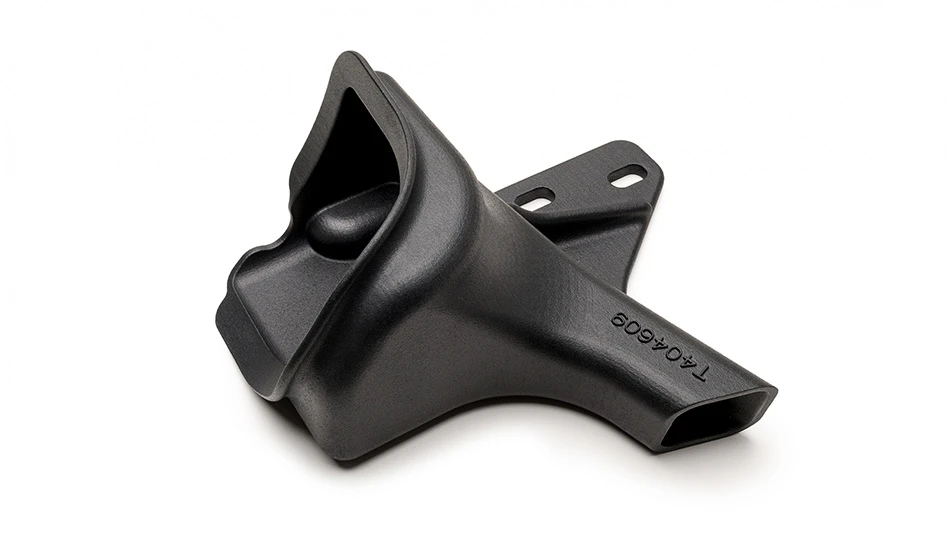
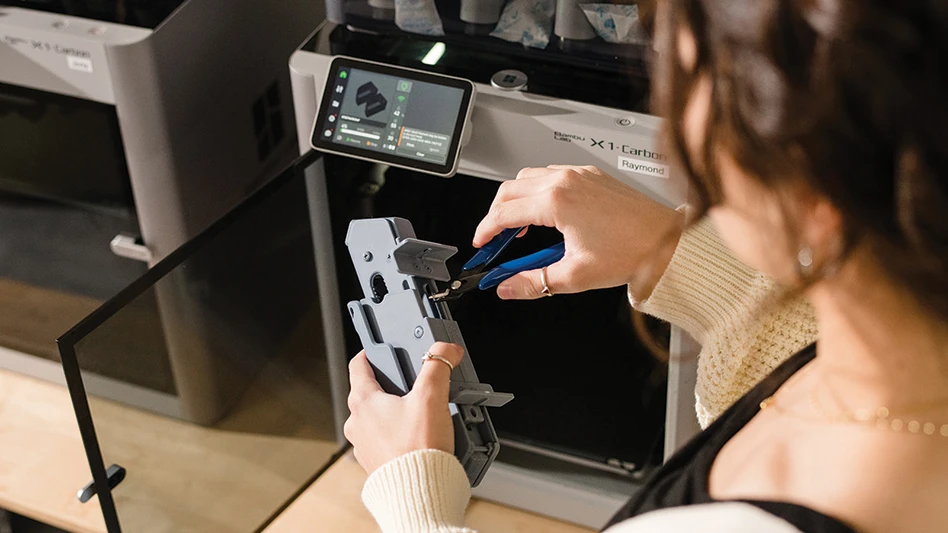
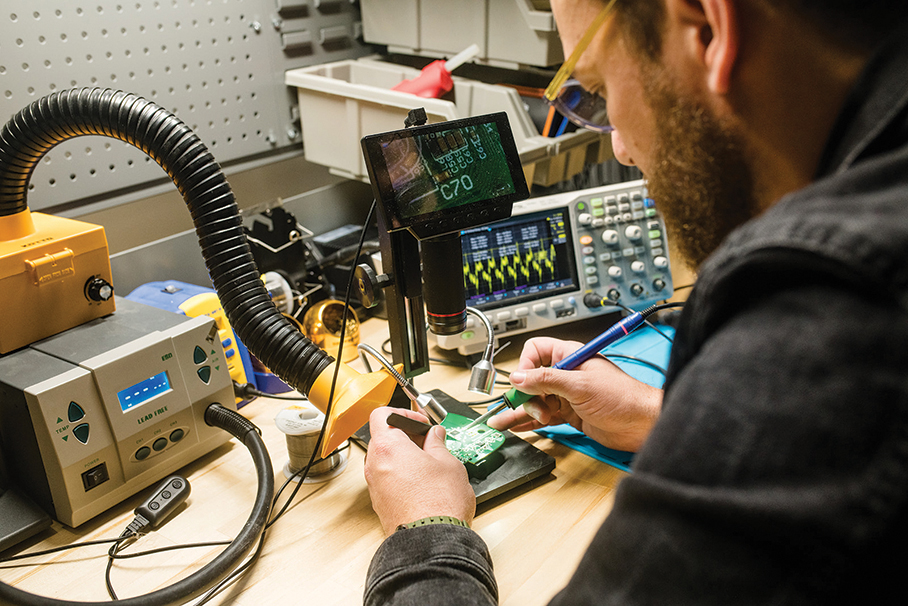
In the past nine years, Ovyl has built a global client base consisting mainly of medical devices, industrial Internet of Things (IIoT) applications, and consumer electronics. Its end-to-end product development process starts with strategists conducting user research to understand consumer habits, identify pain points, and define how a new product can address them. Industrial designers translate those insights into product renderings, which mechanical engineers refine for manufacturability. Ovyl’s electrical engineering and firmware teams then design custom printed circuit boards and develop the embedded code that brings each product to life.
For clients needing manufacturing support, Ovyl leverages on-the-ground employees and trusted partners in Asia to oversee production, manage quality control, and coordinate logistics. Acting as a technical liaison, the company ensures every product meets certification requirements and arrives in the U.S. market ready.
Interdisciplinary capabilities and the dotted line approach
What sets Ovyl apart from other product development companies, according to Meiss, is its interdisciplinary capabilities. Many agencies specialize in one area, such as electrical engineering or industrial design, but lack the broader expertise necessary to deliver a product that is both functional and manufacturable.
“We’ve seen industrial designs from other firms that look great but simply don’t work,” Meiss says. “They’re too small, the battery doesn’t fit, or the internal mechanics haven’t been considered. By the time it reaches us, there’s a lot of rework required to make it manufacturable and usable.”
Ovyl’s approach is to find what Meiss calls the “magic zone” between desirability (user-centered design), feasibility (technical constraints), and viability (cost and manufacturing logistics). Products must not only look good, function well, and have intuitive usability but also be manufactured at a cost that makes sense for the client.
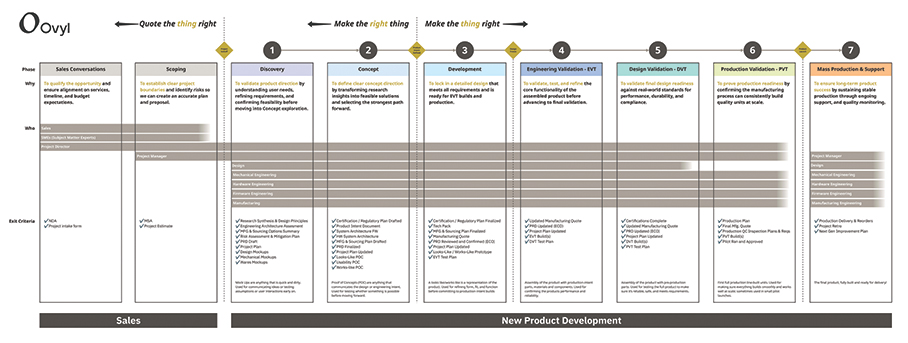
To achieve this balance, Ovyl developed a process framework symbolized by a dotted line down the middle. On the left is “making the right thing”: understanding user needs, technical constraints, and feasibility within the client’s business goals. This stage produces a product intent document (PID), a blueprint defining the development path and identifying potential risks.
On the right is “making the thing right” or executing the design through industry-standard phases: engineering validation testing (EVT), design validation testing (DVT), and production validation testing (PVT). This rigorous process ensures bugs are identified, feedback is integrated, and the design is refined for scalable production.
Meeting the challenges
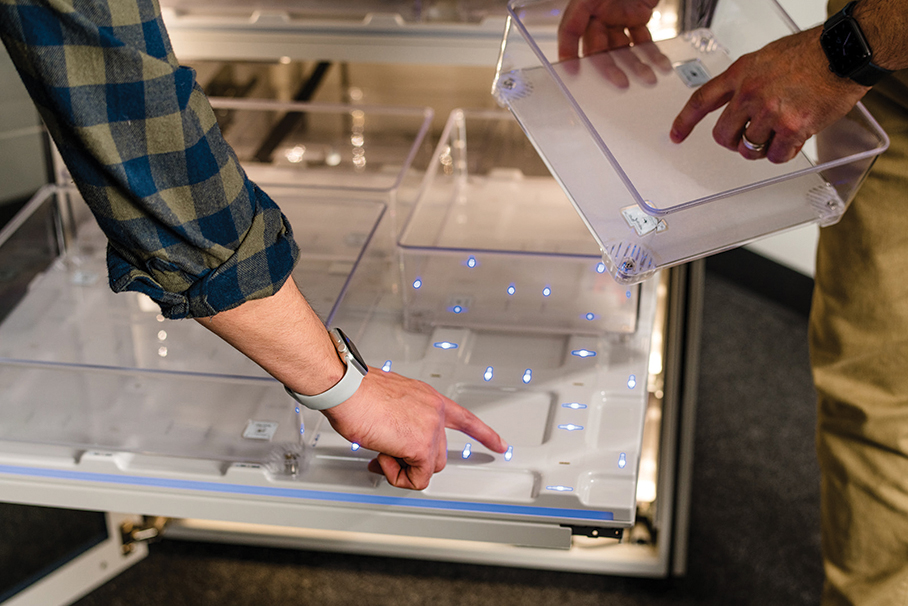
Ovyl has designed everything from a portable urology device for remote patient monitoring to a 6ft-tall smart medical cabinet for oncology drugs. To address the complexity of devices with multiple components manufactured by different suppliers, Ovyl employs strict communication and quality control practices, including facility visits to ensure production stays on track. Ovyl’s bilingual employees remove communication barriers and fast-track trust with manufacturing partners.
Some of Ovyl’s most exciting projects have also been its most challenging, often originating in research and academic environments, where technologies have yet to be proven viable.
“We specialize in taking a company’s unique technology and turning it into something that can be mass-produced,” Meiss explains. “It’s exciting to adapt intellectual property into a viable product for our clients, but it usually comes down to balancing usability, technical feasibility, and viability; how do we keep core features, while optimizing cost so it can succeed in the market? Our goal is always to see these innovations ship to real people.”
Keeping pace with technology
Meiss emphasizes the importance of continuous learning in a fast-moving industry. Ovyl invests heavily in virtual training, conferences, and other professional development opportunities to keep its team at the forefront. When evaluating new technologies, the company always presents them alongside more established alternatives during the discovery and concept phases, weighing pros and cons before deciding on a path forward.
Thanks to strong industry partnerships, Ovyl often learns about emerging technologies before they reach the broader market, allowing them to prepare clients for early adoption.
With so many product development companies competing for business, Meiss suggests medtech companies keep three things in mind when choosing a partner:
- Relevant expertise. Make sure the team has real medical device experience and the specific skills your project demands.
- Collaborative fit. You may be working with a partner for a year or more – choose one that’s easy to collaborate with and open to candid conversations.
- Long-term value. Avoid the cheapest option. A partner with deep expertise may cost more up front, but they will save money and risk over the project's duration.

Ovyl’s medical device development practice continues to grow, fueled by its ability to handle every aspect of increasingly complex products, from injection-molded housings and sheet-metal components to Bluetooth and WiFi applications for remote monitoring. With a proven process and nearly a decade of experience, Ovyl helps clients de-risk their capital investments and bring products to market faster, with fewer errors.
Latest from Today's Medical Developments
- Case study: Transforming CNC machining through smart lubrication strategies
- Join the automation conversation
- Medtronic expands neurovascular portfolio with Scientia acquisition
- Enhanced visitor experience highlighted at TMTS 2026
- This week: Tube bending and workholding solutions to implement now
- Highly reliable electronic components drive medical innovations
- Compact centrifugal barrel tumbler finishing machine
- Medical device manufacturer affected by major cyberattack