Today’s medical devices connect to each other and to hospital networks in more ways than ever before. This connectivity greatly benefits patients and healthcare workers, but it also opens up new avenues of risk.
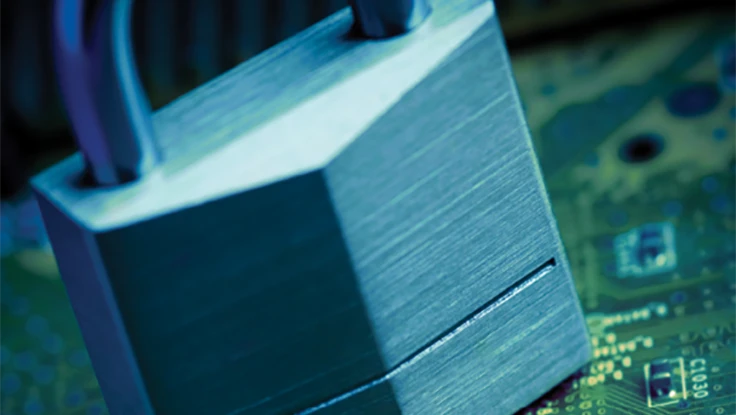
In some cases, hackers may be able to harm patients directly by hacking into a medical device and tampering with data or programming. While preventing these types of attacks is critical, the more likely risk may be in using medical devices to break into a hospital network or database. Unprotected devices present a weak link hackers can exploit to gain access to sensitive medical or financial data, disrupt hospital operations, or launch data ransom attacks. Developers of connected medical devices need to consider cybersecurity, even if the device cannot harm patients directly.
Latest from Today's Medical Developments
- NextDent 300 MultiJet printer delivers a “Coming of Age for Digital Dentistry” at Evolution Dental Solutions
- Get recognized for bringing manufacturing back to North America
- Adaptive Coolant Flow improves energy efficiency
- VOLTAS opens coworking space for medical device manufacturers
- MEMS accelerometer for medical implants, wearables
- The compact, complex capabilities of photochemical etching
- Moticont introduces compact, linear voice coil motor
- Manufacturing technology orders reach record high in December 2025