Part 1 of this three-part medical machining series from Sandvik Coromant explores why cutting tools fail and what to do about it. Part 2 takes an in-depth look at cutting tool selection, how to keep cutting tools cool, and management of the cutting processes.
Broken hips, skull fractures, spinal injury, and worn knees and elbows. The human body is an imperfect machine, subject to trauma and degenerative disorders that only decades ago may have permanently impaired us or worse. Today, treatment of these and other unfortunate conditions often requires little more than a brief visit to the hospital and some physical therapy. Once-debilitated patients are good as new.
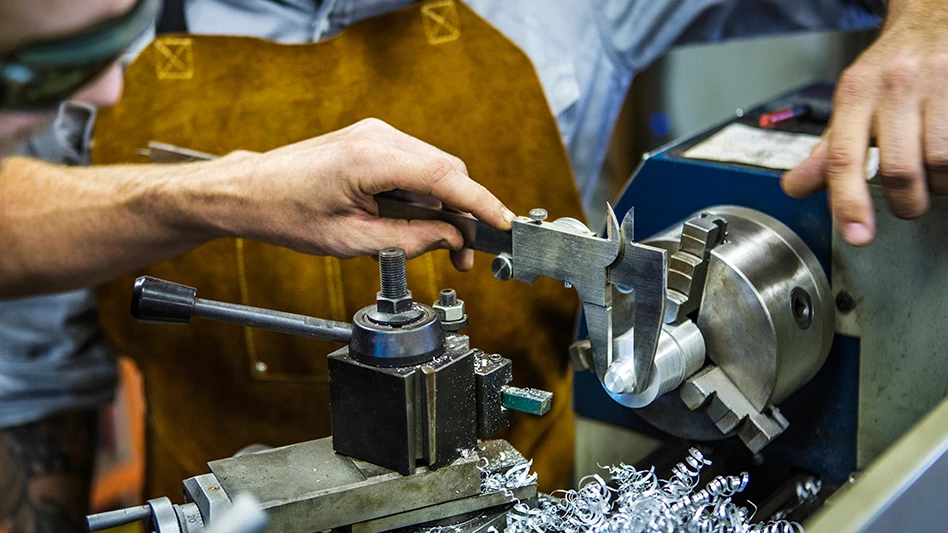
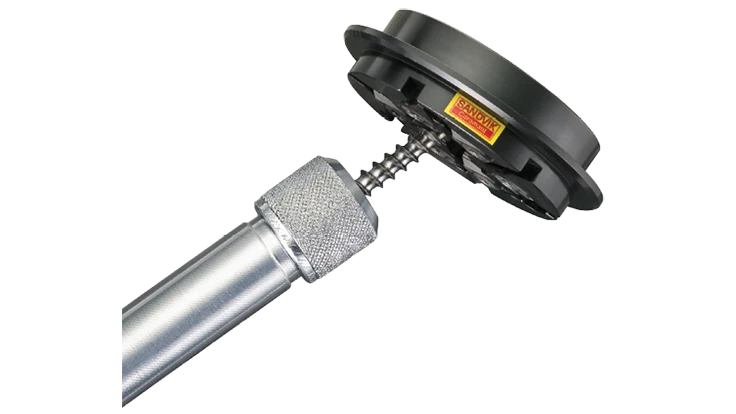
The majority of the pins, screws, and implants used to repair humans are made from metal. Titanium and cobalt chrome alloy, 300-series stainless steel – and a host of proprietary alloys are machined, forged, and formed into a variety of life-changing, often life-saving devices. But compared to many metals, these tough alloys are difficult to process. CNC machine tools must withstand extreme forces when carving up parts such as a Steinmann pin or threading a cannulated screw. Cutting tools wear down quickly, and accuracy suffers as a result.
Latest from Today's Medical Developments
- NextDent 300 MultiJet printer delivers a “Coming of Age for Digital Dentistry” at Evolution Dental Solutions
- Get recognized for bringing manufacturing back to North America
- Adaptive Coolant Flow improves energy efficiency
- VOLTAS opens coworking space for medical device manufacturers
- MEMS accelerometer for medical implants, wearables
- The compact, complex capabilities of photochemical etching
- Moticont introduces compact, linear voice coil motor
- Manufacturing technology orders reach record high in December 2025