Part 2 of this three-part medical machining series from Sandvik Coromant takes an in-depth look at cutting tool selection for medical device metals.
Super strong metals that make jet engines spin faster, submarines dive deeper, and nuclear power plants safer to operate, are also responsible for most of today’s lifesaving implants and medical instruments. Heat resistant super alloys (HRSA) such as titanium and cobalt-chrome alloys comprise the lion’s share of bone screws, pins, fusion cages, and joint replacements; while trocars, shears, and hemostats made of 316L and other stainless steels – high in nickel and chromium – are common in any surgical theater.
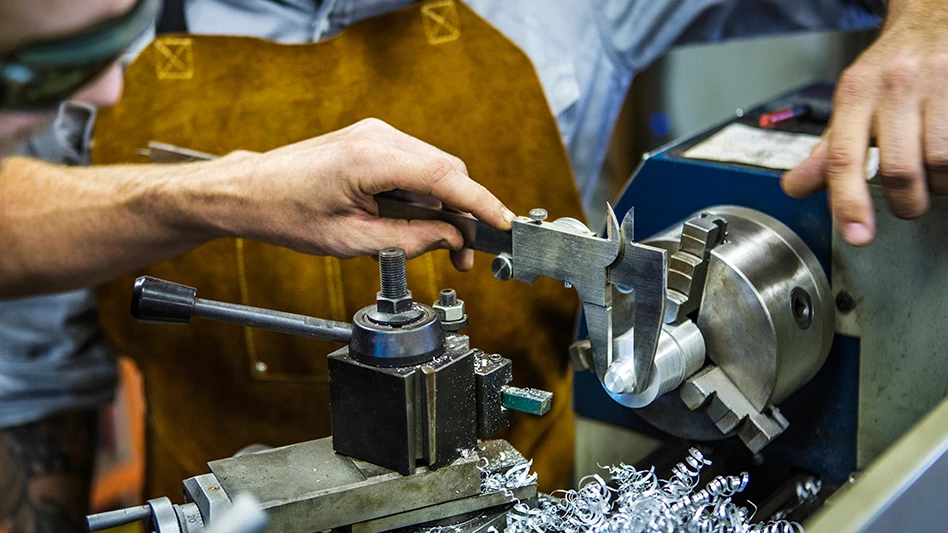
These tough metals are biocompatible, fatigue and wear resistant, and very hard. And while these attributes make them desirable for use in the human body, they also present a variety of manufacturing obstacles, including poor and unpredictable tool life during machining. Sharp, positive-rake cutting tools and inserts are the rule when cutting titanium and other medical grade materials, but it takes the right blend of carbide, coating, and edge prep for tools to survive when battling HRSAs.
Latest from Today's Medical Developments
- NextDent 300 MultiJet printer delivers a “Coming of Age for Digital Dentistry” at Evolution Dental Solutions
- Get recognized for bringing manufacturing back to North America
- Adaptive Coolant Flow improves energy efficiency
- VOLTAS opens coworking space for medical device manufacturers
- MEMS accelerometer for medical implants, wearables
- The compact, complex capabilities of photochemical etching
- Moticont introduces compact, linear voice coil motor
- Manufacturing technology orders reach record high in December 2025